

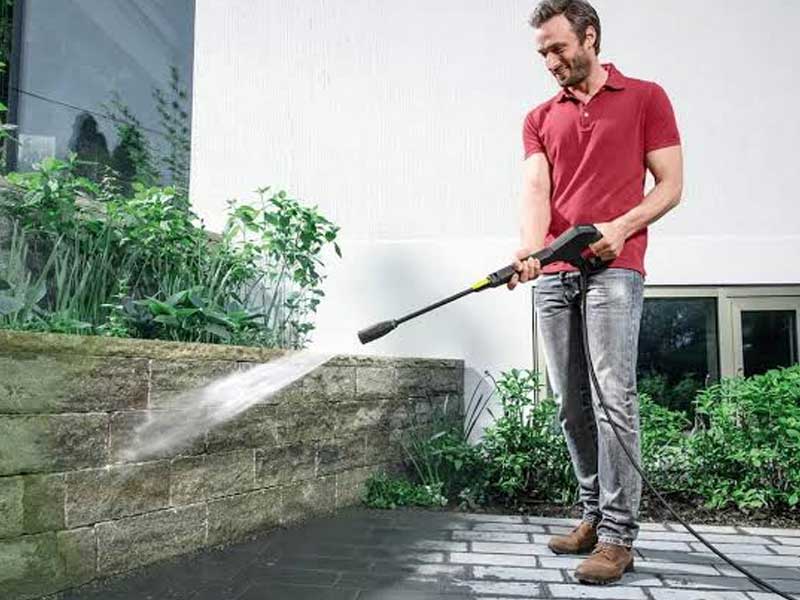
A clean patio can give your outdoor area a fresh, welcome appearance that is perfect for enjoying throughout the year. Patios accumulate dirt, moss, algae, and tough stains over the course of time themselves, which can cause them to appear worn and dated. Power washing or pressure washing is one of the most efficient means of renewing the look of your patio quickly and securely.
At Stakelums, we suggest the appropriate equipment and techniques to use so you can have a clean patio every time. Throughout this article, we will show you everything you must do from preparation to maintenance to clean a patio with a power washer so you can have a clean, spotless outdoor space
What is a Power Washer?
Power washer is another name for a pressure washer, which is a machine that sprays water under high pressure to strip surfaces such as patios, driveways, and garden furniture of dirt, grime, moss, and other debris. There are two primary types:
Electric pressure washers: Lightweight, silent, and easy to manoeuvre perfect for small patios or light cleaning tasks.
Petrol power washers: Stronger and ideal for large patios or heavy-duty stains. Power washers include an adjustable nozzle and a pressure setting so you can customize the power of the washing to your patio surface and the dirt amount. One popular model that is highly effective is the Karcher K7 Power Flex Powerwasher, which is powerful, flexible in its hose design, and includes multiple nozzles so you can clean your patios efficiently and with ease.
With a top-grade power washer such as the Karcher K7, you can handle anything from light grime to heavy moss growth without harming your patio surface. And with its ergonomic design, you’ll be less fatigued during long periods of cleaning, making your patio task more efficient and less strenuous.
When Should You Pressure Wash Your Patio?

It’s best to power wash your patio when you notice: –
- Visible dirt, grime, or mud build-up.
- Green patches of moss or algae making the surface slippery.
- Stubborn stains from leaves, food spills, or bird droppings.
- Seasonal cleaning, especially in spring or autumn, to prepare your patio for warmer or wetter months.
- Avoid pressure washing during freezing weather to prevent damage.
Gathering Necessary Tools and Equipment
Before you start power washing your patio, it’s important to gather all the necessary tools and cleaning products to ensure an efficient and thorough job. Here’s what you’ll need:
- Power washer: Choose the right type and model for your patio size and material. Popular options include electric pressure washers for smaller jobs and petrol models like the Karcher K7 Power Flex Powerwasher for more powerful cleaning.
- Nozzles and attachments: Different spray tips control water pressure and spray pattern. A 25° or 40° nozzle is usually ideal for patios to prevent damage.
- Protective gear: Safety goggles, gloves, and sturdy footwear will protect you from flying debris and high-pressure water.
- Cleaning solutions: While power washing removes most dirt and grime, some stubborn moss, algae, or stains may require specialized cleaners such as:
- Wet & Forget Mould & Algae Remover 2L: A gentle, no-scrub solution that effectively kills and prevents mould and algae growth.
- Patio Magic Patio and Driveway Cleaner 5L: Designed to deep clean and restore patios and driveways, removing stains and organic buildup.
- Fleetwood Fungicidal Wash 5L: An effective fungicidal treatment to prevent recurring moss and algae, helping maintain your patio’s clean look longer.
Additional tools: A stiff brush or broom can help loosen stubborn dirt before washing. A garden hose is useful for pre-wetting the patio or rinsing off cleaning solutions.
Step-by-Step Guide to Clean Your Patio with a Power Washer

1. Prepare the Area
Remove all furniture, pots, and loose debris like leaves or dirt. Sweep the patio thoroughly to clear surface dust.
2. Choose the Right Settings
Select a nozzle with a wide spray angle (usually 25 or 40 degrees) to avoid damaging the surface. Set the pressure according to your patio material lower pressure for delicate surfaces like sandstone or slate, higher pressure for concrete or brick.
3. Start Power Washing
Hold the spray wand at a consistent distance (about 12-18 inches) from the patio. Use slow, sweeping motions to clean one section at a time. Overlap your passes to avoid streaks.
4. Target Stubborn Stains and Moss
For tough areas, you may need to move closer or use a more concentrated nozzle. Some moss or algae may require a pre-treatment with a cleaning solution designed for patios.
5. Final Rinse and Inspection
After washing, rinse the entire patio with clean water and inspect for missed spots. Repeat cleaning if necessary.
Safety Tips and Precautions for Power Washer
Always wear safety goggles and sturdy footwear to protect yourself from debris and water spray.
- Test a small, hidden area first to ensure your settings won’t damage the patio.
- Avoid spraying directly at plants, electrical outlets, or windows.
- Do not use excessively high pressure, as this can erode grout and damage stone or brick.
How to Maintain Your Patio After Power Washing?
Keeping your patio clean and well-maintained after power washing is key to preserving its appearance and durability. Here are some essential tips to help you maintain your patio year-round:
- Sweep regularly: Remove dirt, leaves, and debris frequently to prevent buildup that can cause staining or encourage moss growth. Regular sweeping also helps keep your patio looking neat and inviting, there are Auto mowers keep your lawn tidy and green throughout the year with minimal effort.
- Treat moss and algae early: Moss and algae thrive in damp, shaded areas and can make your patio slippery and unsightly. Use effective treatments with cleaning products to prevent regrowth and protect your patio surface.
- Seal your patio: After cleaning, consider applying a quality patio sealer. Sealing helps protect against water damage, stains, and general wear from foot traffic and weather. It also makes future cleaning easier by creating a protective barrier.
- Schedule regular power washing: Depending on your climate and how often your patio is used, aim to power wash once or twice a year. This removes stubborn dirt and organic build-up before it becomes harder to clean.
- Monitor and repair: Keep an eye out for cracked or loose paving stones and repair them promptly to avoid further damage. Maintaining the structural integrity of your patio extends its lifespan and keeps it safe to use.
Ready to tackle your patio cleaning project? Shop a wide range of power washers, cleaning products, and expert advice at Stakelums your go-to destination for quality outdoor maintenance tools.
Frequently Asked Question
1. How do you clean a patio with a pressure washer?
Clear furniture and loose debris, then sweep the surface. Holding the wand about 12–18 inches from the ground, work in slow, overlapping passes using a wide 25° or 40° nozzle. Treat stubborn moss with a patio cleaner first, then rinse with clean water.
2. Can pressure washing damage a patio?
Yes, if the pressure is too high or the nozzle too narrow. Use a wide-angle nozzle, keep the wand a steady distance from the surface, and test a hidden area first especially on softer stone like sandstone or slate, where excess pressure can erode jointing and damage the surface.
3. How do I get rid of moss and algae on my patio?
Pre-treat the area with a dedicated patio cleaner before washing, then power wash and rinse. For growth that keeps coming back, a fungicidal wash helps stop it returning and keeps the surface cleaner for longer.
4. What’s the best time of year to power wash a patio?
Spring or autumn are ideal mild, dry conditions help the patio dry out afterwards and reduce regrowth. Avoid washing in freezing weather, as water can freeze on the surface and cause damage.
5. How do I get rid of moss and algae on my patio?
Pre-treat the area with a dedicated patio cleaner before washing, then power wash and rinse. For growth that keeps coming back, a fungicidal wash helps stop it returning and keeps the surface cleaner for longer.